Osteva Field Notes
London, 2026 — Field Notes on Satiety

The Appetite Ledger.

A running record of foods, hunger patterns, and the intervals between meals — observed week by week from a London editorial desk.

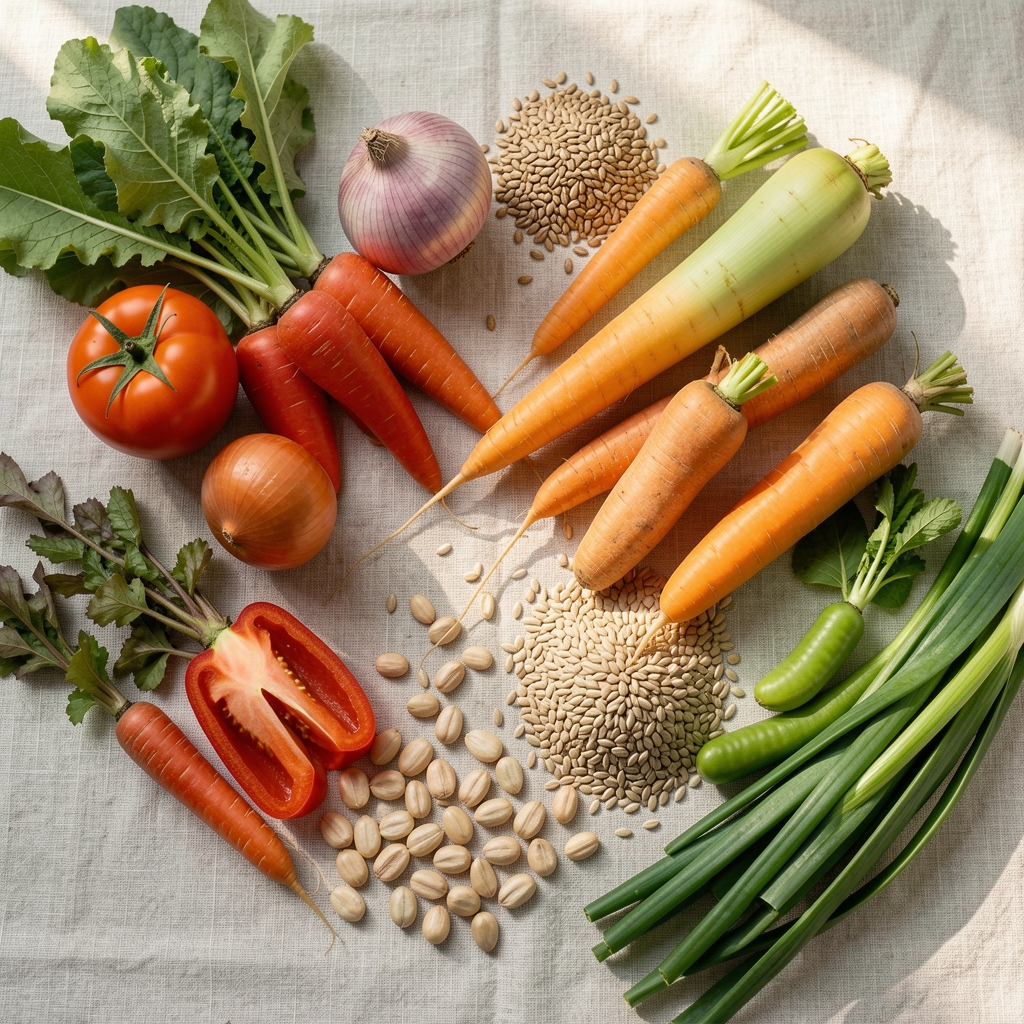
Seasonal vegetables and whole grains arranged on a pale linen surface in soft morning light, editorial overhead composition
Morning field log — London EC1
3
Featured articles

On foods, fullness, and appetite rhythm

5+
Years observing

Food patterns across all seasons

12
Hunger variables

Tracked weekly across meal types

30+
Food observations

Logged and reviewed each quarter

Natural light falling across a wooden editorial desk with a notebook, pen, and bowl of seasonal produce in the background
Spencer St., EC1 — 2026
02 — About the Journal

A London-based record of what we eat and when hunger returns.

Osteva Field Notes was established to document the patterns of everyday food choices — specifically the relationship between what is eaten, when the next hunger arrives, and how the spacing between meals shapes energy across the day.

The journal focuses on whole foods, plant-based satiety, protein-rich choices, and the slow-digesting foods that contribute most reliably to sustained fullness. Each article is a close observation rather than a guideline — notes from a week of eating, not instructions for one.

03 — Editorial Position
“Hunger is not a failure of willpower. It is a pattern — and patterns can be observed, understood, and worked with.”
Eleanor Whitfield — Editor, Osteva Field Notes
04 — Topics

What the journal covers

01

Fibre and Satiety

How dietary fibre shapes the hours between meals. Observations on legumes, whole grains, and vegetables that support a sense of fullness between meals.

02

Protein and Fullness

Protein-rich foods and their relationship to afternoon and evening appetite. Close readings of how protein choices contribute to a sense of satiety.

03

Eating Rhythm

The spacing of meals, morning food choices, and how meal timing interacts with hunger and food timing across a typical working day.

04

Whole Grains and Hunger

Slow-digesting foods and their association with a more gradual return of hunger. Weekly logs of grain-based meals and the appetite patterns that follow.

05

Mindful Eating Pace

Observations on slow eating practice — how pace allows natural fullness signals to register, and how snacking habits relate to the rhythm of appetite between meals.

06

Plant-Based Satiety

Vegetable-rich meals and fullness — from seasonal roots in winter to legume salads in summer. Notes on plant-based satiety and portion awareness.

05 — Common Questions

Frequently asked

Foods associated with a more sustained sense of fullness tend to be those that digest more slowly and provide a combination of dietary fibre, protein, and water content. Legumes, whole grains, vegetables, and protein-rich foods such as eggs, fish, and pulses are regularly observed across the nutrition literature in this context. The journal documents these patterns through weekly food logs rather than prescribing specific routines.

Meal spacing is one of the more interesting variables the journal tracks. Observations suggest that the intervals between meals shape hunger in ways that are not simply about calorie volume — the composition and pace of an earlier meal appears to influence how hunger returns later. These patterns form the editorial focus of the journal's eating rhythm section.

Osteva Field Notes does not advocate for a single dietary pattern. The journal documents observations across a range of food choices — plant-based, protein-focused, whole-grain centred, and mixed-plate approaches — and reports on how each relates to appetite and the timing of hunger return. The editorial position is one of careful observation rather than advocacy.

Content published by Osteva Field Notes is selected based on published nutritional research and reviewed for editorial accuracy by a second editor before publication. Where relevant, the journal references peer-reviewed dietary studies, noting the source and the limits of any findings. Editorial observation and personal food logs are clearly distinguished from research citations.

The journal is led by Eleanor Whitfield, who has spent several years observing and documenting food patterns, appetite rhythm, and everyday eating habits from a London-based editorial perspective. Guest contributors include Harriet Marsden and Tobias Ashcroft, who bring additional angles on protein choices, whole grains, and mindful eating pace. All contributors disclose any relevant commercial relationships in their author notes.

Articles published on Osteva Field Notes are editorial in nature and reflect the writers' observations on everyday food choices, satiety patterns, and appetite rhythm. The content is not intended as professional advice, nor as guidance for the management of any specific condition. Readers with specific concerns about their daily routines are encouraged to speak with a qualified wellness professional.